Peptide-Informed Facials Explained – How Personalized Peptide Therapy Supports Skin Longevity in Winnipeg
Peptide-Informed Facials are treatments built around topical peptides — short chains of amino acids that signal skin cells and support the building blocks of collagen, elastin, and a healthy barrier. The goal is gradual skin-health support and prevention, not an overnight transformation.
If you are exploring Peptide-Informed Facials in Winnipeg, this guide explains what peptides actually are, the difference between signaling and carrier peptides, how a personalized peptide facial is designed for your skin, and what realistic results look like. Grace Hill Salon & Spa, a boutique medical spa in Winnipeg, approaches peptide therapy through a longevity and skin-health lens — educational first, conservative about claims, and always tailored to the individual.
What is a peptide and why does skin care use them?
Peptides are short chains of amino acids — essentially small fragments of the proteins your skin is made of. Collagen and elastin are large structural proteins, and peptides act like messengers or delivery helpers within the skin's normal renewal processes.
In topical skincare, peptides are valued because they can interact with skin cells called fibroblasts, which are responsible for producing collagen, elastin, and other components of the dermal matrix. Rather than "adding collagen" directly, well-formulated peptides are studied for their ability to support the skin's own production and repair activity over time.
It is worth being precise: most published evidence for cosmetic peptides involves topical application and gradual, cumulative effects. A Peptide-Informed Facial in Winnipeg is a topical, non-injectable aesthetic treatment — it is not the same as a medical injectable procedure.
Signaling peptides vs. carrier and biomimetic peptides
Signaling peptides are the "messengers." They are studied for their ability to encourage fibroblasts to stay active in producing structural proteins. Carrier peptides are more like "couriers" — copper peptides, for example, deliver copper that the skin uses during its normal repair processes. Biomimetic peptides are engineered to resemble sequences the body already recognizes. In practice, a thoughtful formulation often layers more than one type, because skin health is multi-factorial.
How peptide facials support collagen and the skin barrier
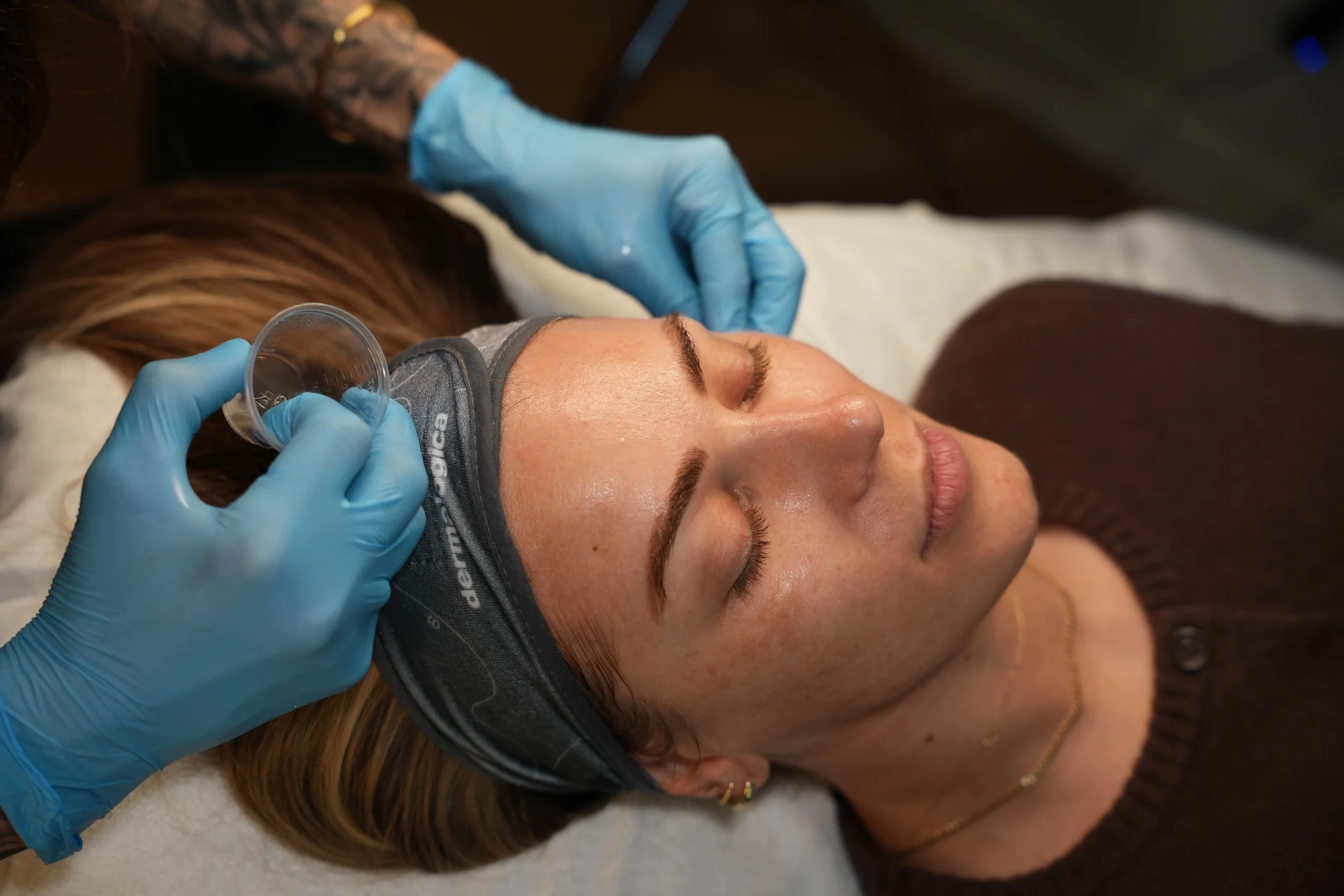
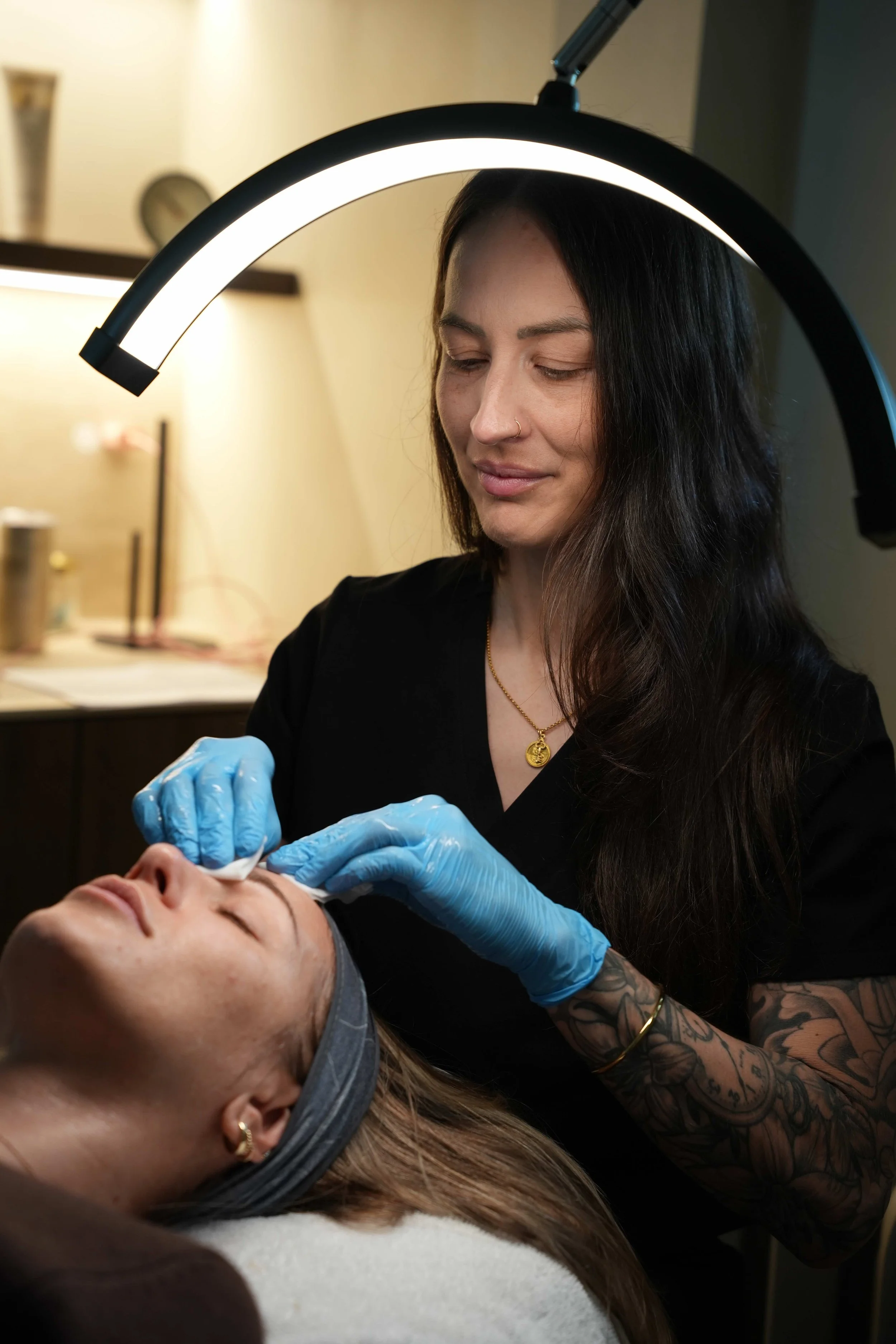
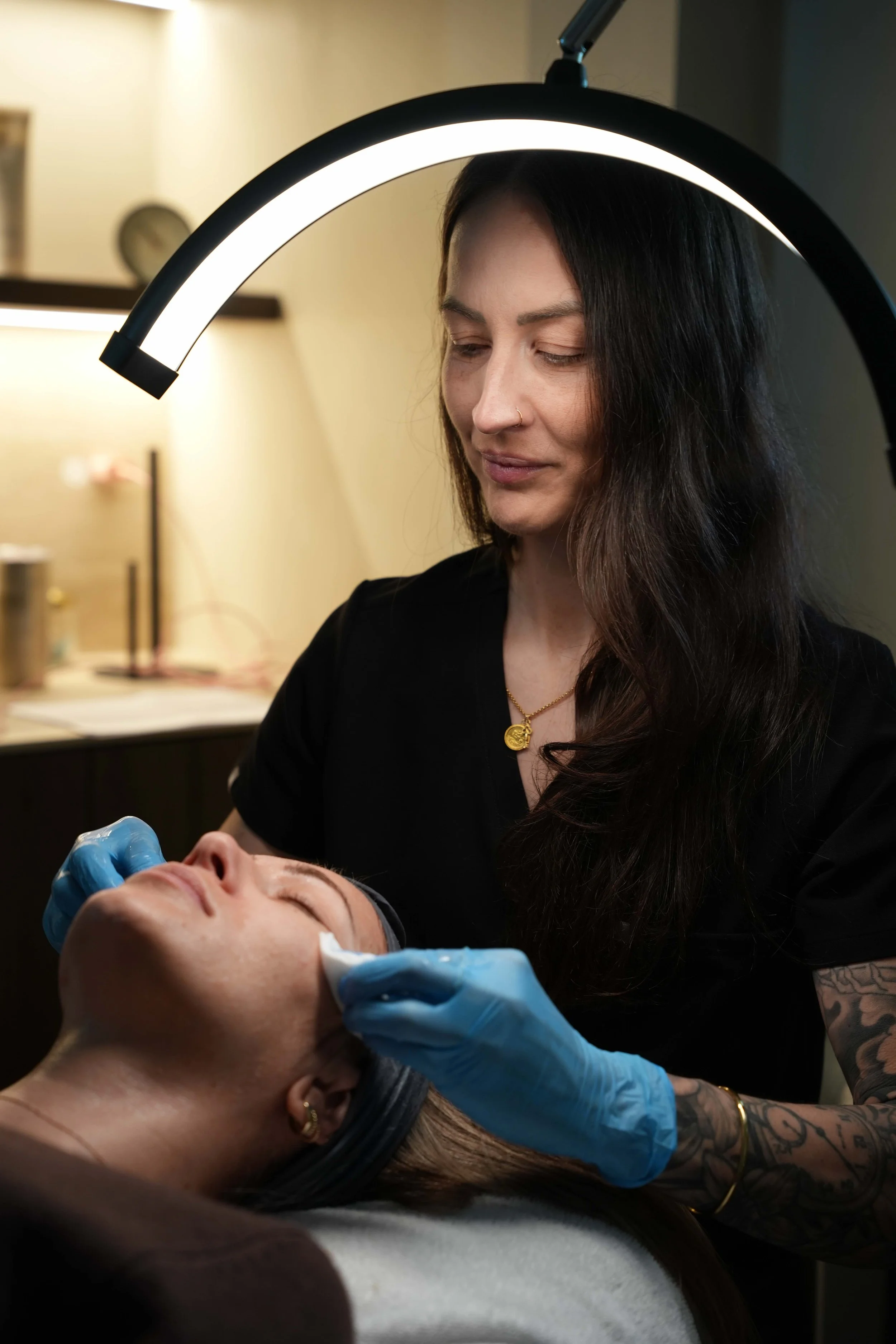
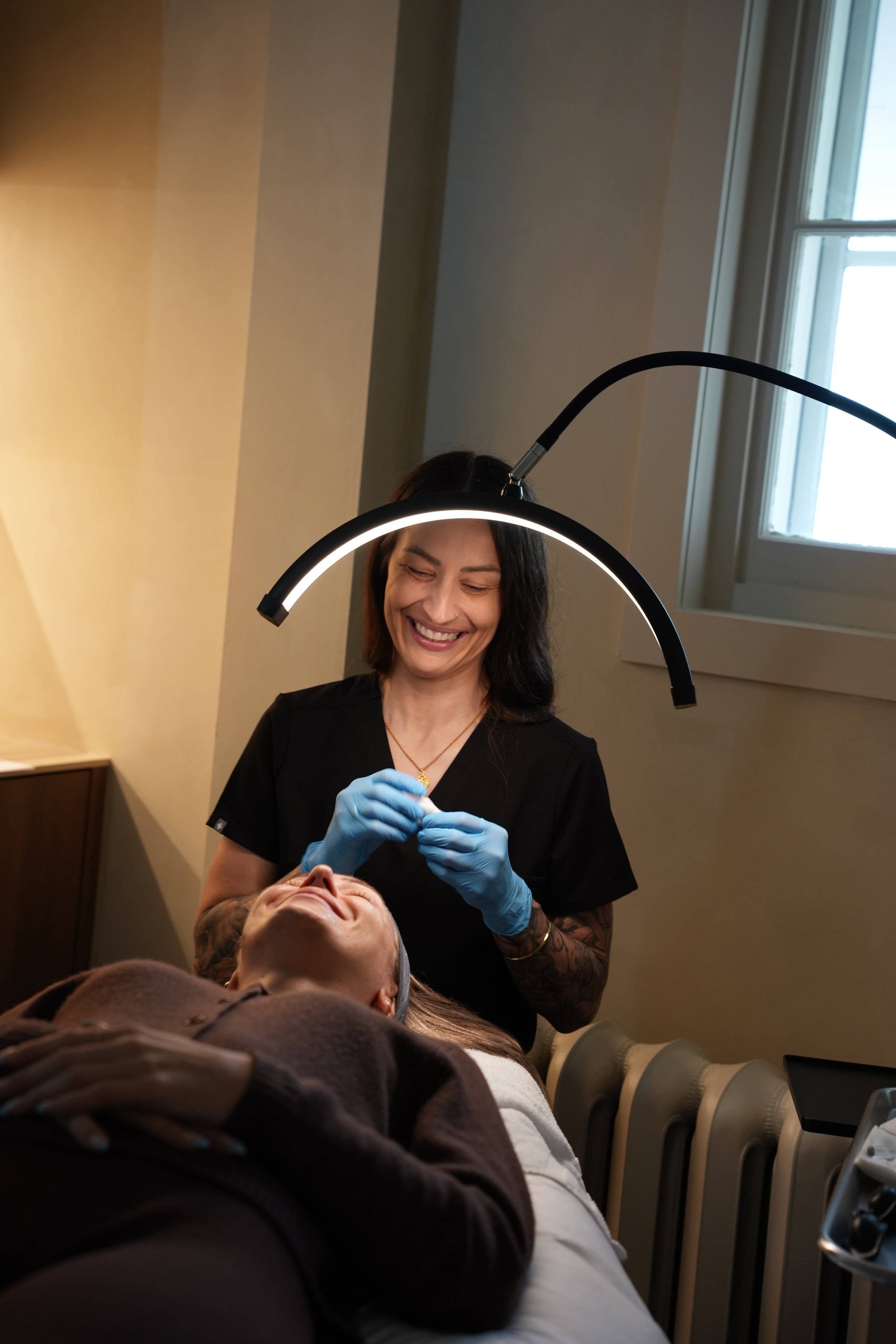
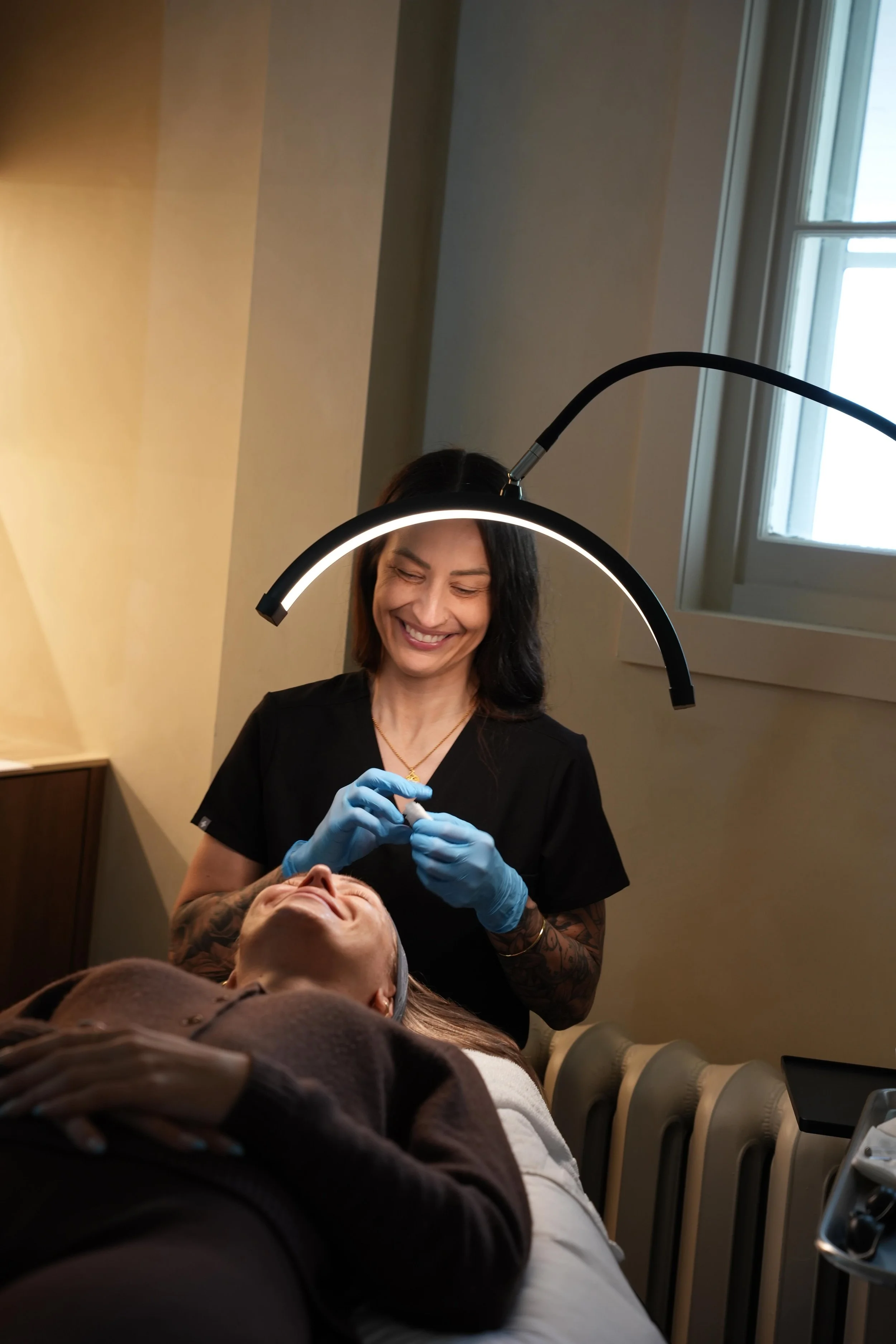
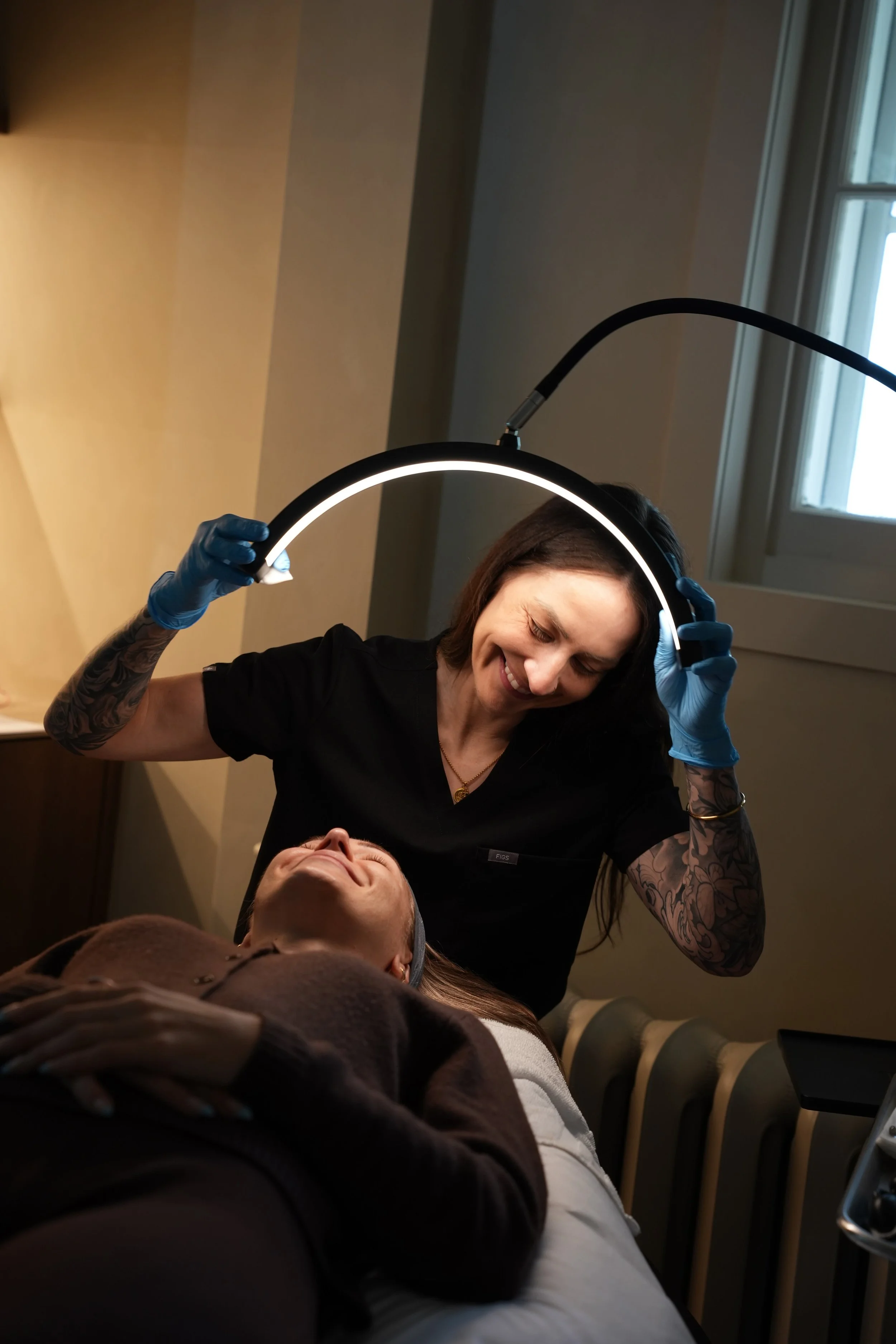
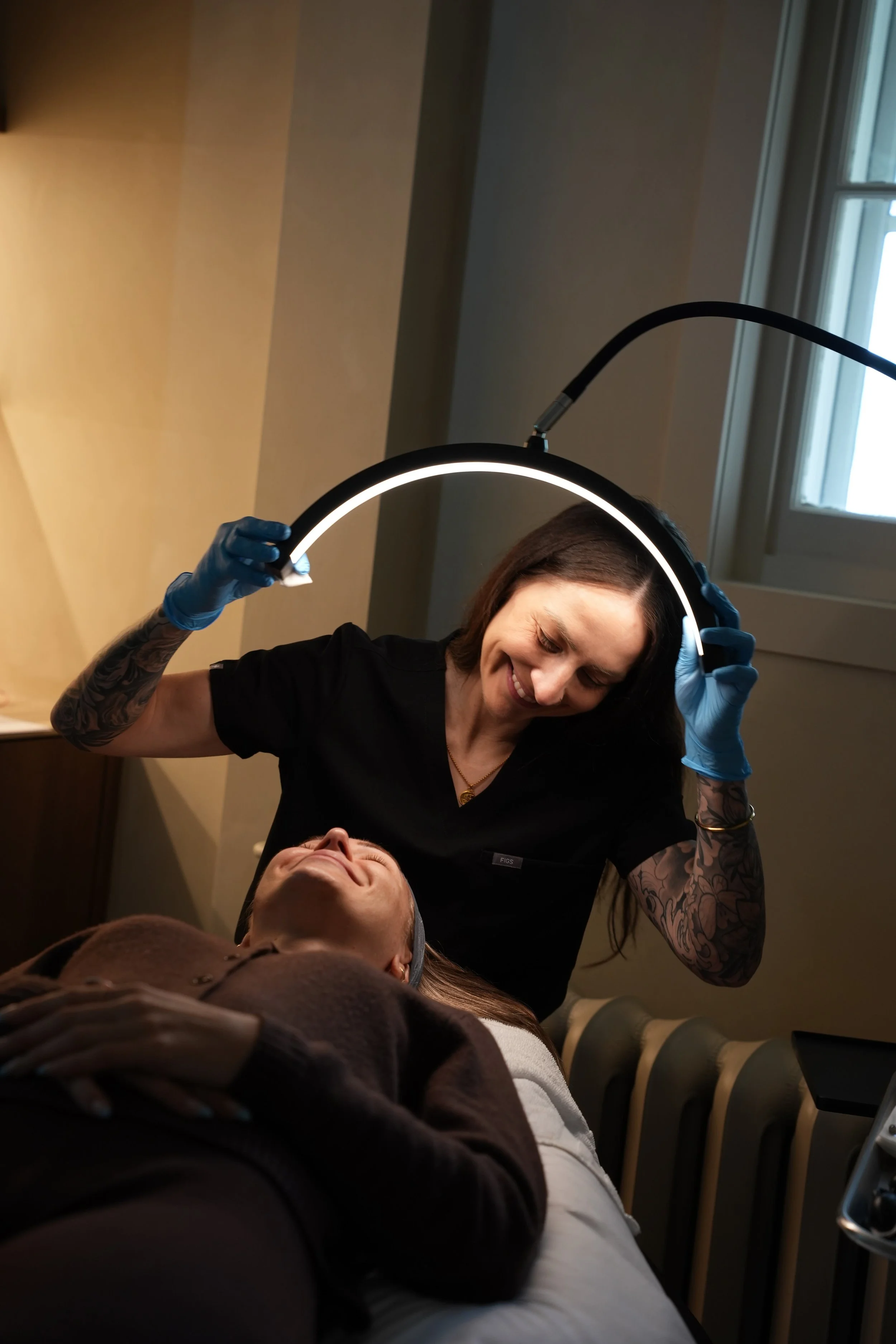
A Peptide-Informed Facial typically combines a cleanse, gentle exfoliation, peptide-rich serums or masks, and supportive steps such as hydration and massage. The intent is twofold.
Supporting the collagen and elastin environment. By delivering signaling and carrier peptides into well-prepped skin, the treatment aims to support the conditions in which fibroblasts do their normal work. Results are gradual and best understood as maintenance and prevention.
Reinforcing the skin barrier. Many peptides are paired with humectants, lipids, and antioxidants. A resilient barrier holds moisture better, looks smoother, and is generally more comfortable and less reactive.
Because outcomes build slowly, peptide facials are well suited to a longevity mindset — consistent, supportive care rather than a single dramatic event. This is one reason peptide-informed work pairs naturally with treatments like microneedling and collagen induction therapy, which approach skin renewal from a complementary angle.
What makes a peptide facial "personalized"?
The "informed" in Peptide-Informed Facials refers to personalization. No two people in Winnipeg have the same skin — and our dry, cold winters and variable seasons can change what skin needs month to month.
A personalized approach usually considers:
Skin type and barrier status — oily, dry, combination, sensitive, or compromised.
Primary goals — texture, hydration, the look of fine lines, dullness, or overall maintenance.
Sensitivities and history — reactions, conditions managed by a physician, current actives at home.
Lifestyle and season — sun exposure, indoor heating, and how your routine shifts across the year.
From there, the peptide selection, supporting ingredients, and frequency are matched to you. A good consultation also flags when a concern is medical rather than cosmetic, so you can be referred appropriately.
Who benefits, and what are realistic outcomes?
Peptide facials tend to suit people who want a gentle, low-downtime way to support skin health and prevention, including those in their late twenties and thirties focused on maintenance, and those who want a non-aggressive option alongside other care.
Realistic, conservatively framed outcomes can include skin that feels better hydrated, looks smoother or more even in tone, and has a healthier barrier. These are supportive, cumulative changes. Peptide facials are not a treatment for medical skin conditions and are not a substitute for sun protection, sleep, and overall skin health, which remain the foundation of any longevity approach.
How does a peptide facial fit into a longevity skincare plan?
Think of it as one consistent pillar rather than a one-off. Many clients combine periodic peptide-informed facials with a simple, well-chosen home routine and other in-clinic options such as LED photobiomodulation or microneedling, depending on goals. A professional can help sequence treatments so they complement, not overload your skin.
Frequently Asked Questions
What is a peptide facial?
A peptide facial is a topical, non-injectable treatment that uses peptide-rich serums or masks alongside cleansing, gentle exfoliation, and hydration. The aim is to support the skin's own collagen environment and barrier over time. Effects are gradual and cumulative, making it a maintenance- and prevention-focused option.
Do peptide facials really work?
Topical peptides have research supporting gradual improvements in skin smoothness, hydration, and barrier quality with consistent use. They support the skin's normal processes rather than producing dramatic, immediate change. Think of peptide facials as supportive, longevity-minded care — most noticeable when done regularly and paired with good daily skin habits.
How often should you get a peptide facial?
Frequency is individual, but many people benefit from a facial every four to six weeks to maintain results, then adjust based on skin response and season. Your provider can recommend a cadence after assessing your skin type, goals, and home routine during a consultation.
Are peptide facials worth it?
For people seeking a gentle, low-downtime way to support skin health and prevention, peptide facials can be a worthwhile part of a routine — especially when personalized. They are best viewed as ongoing maintenance rather than a one-time fix, and value comes from consistency and a plan matched to your skin.
Where can I get a peptide facial in Winnipeg?
Grace Hill Salon & Spa offers Peptide-Informed Facials in Winnipeg as part of a regenerative, longevity-focused approach to skincare. The best first step is a consultation, where your skin and goals are assessed so the peptide selection and treatment plan are tailored to you.
Book a Consultation at Grace Hill in Winnipeg
Curious whether a peptide-informed approach suits your skin? Explore regenerative facials in Winnipeg and book a personalized consultation with Grace Hill Salon & Spa. We will assess your skin, talk through realistic goals, and design a plan around skin health and longevity.
This article is for general education and is not a substitute for medical advice. Book a consultation for recommendations specific to you.