How Microneedling Triggers Collagen Induction Therapy for Skin Rejuvenation in Winnipeg
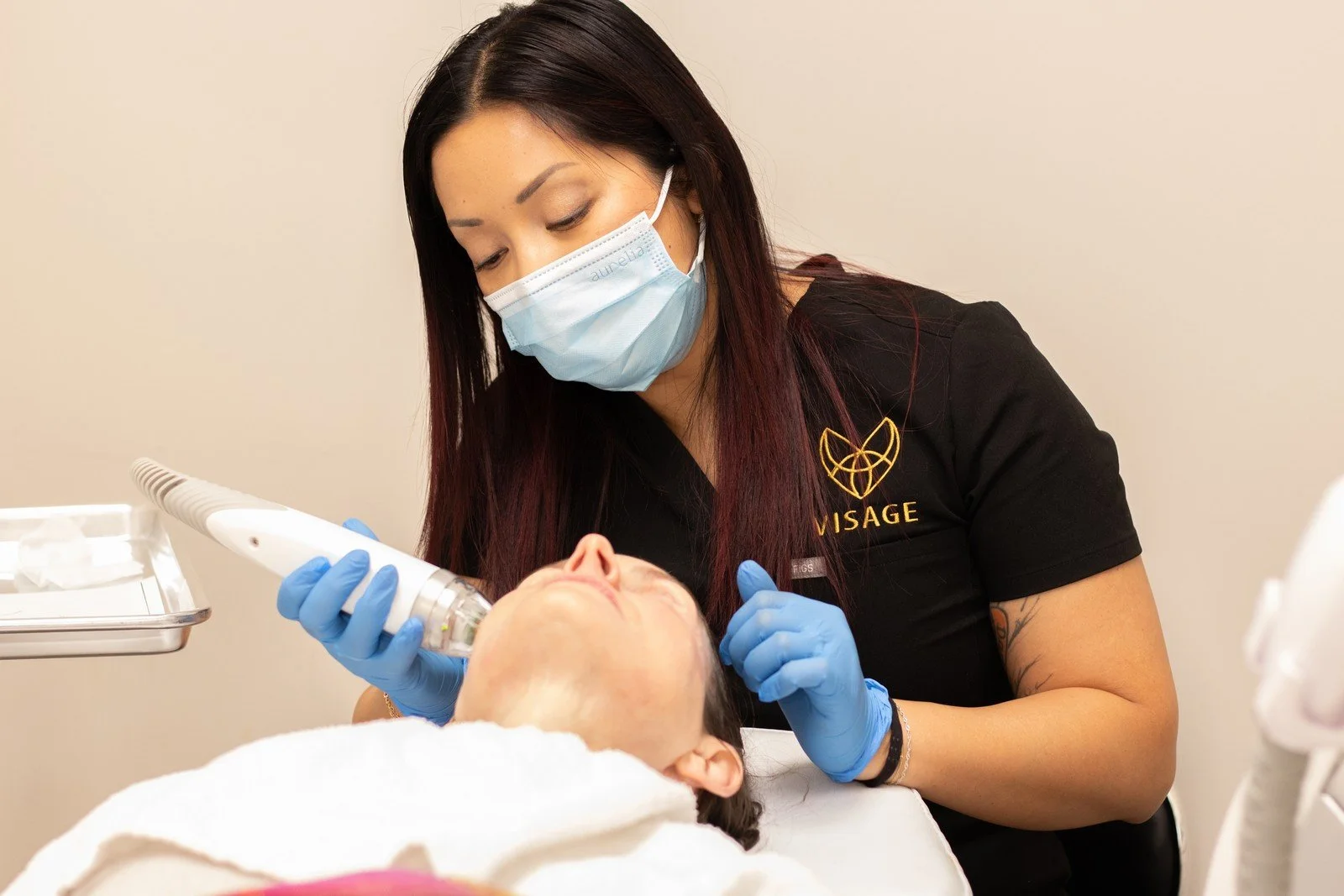
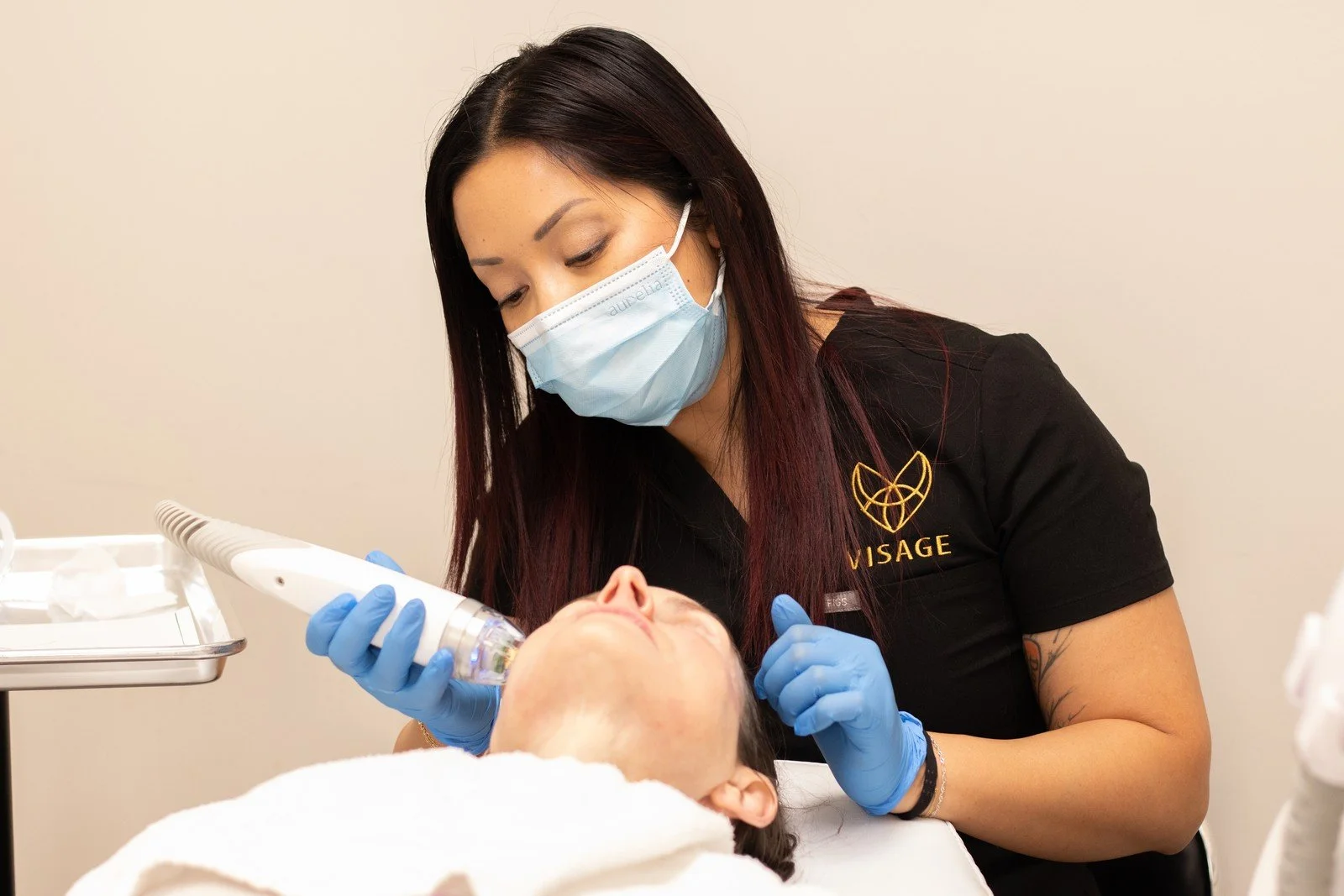
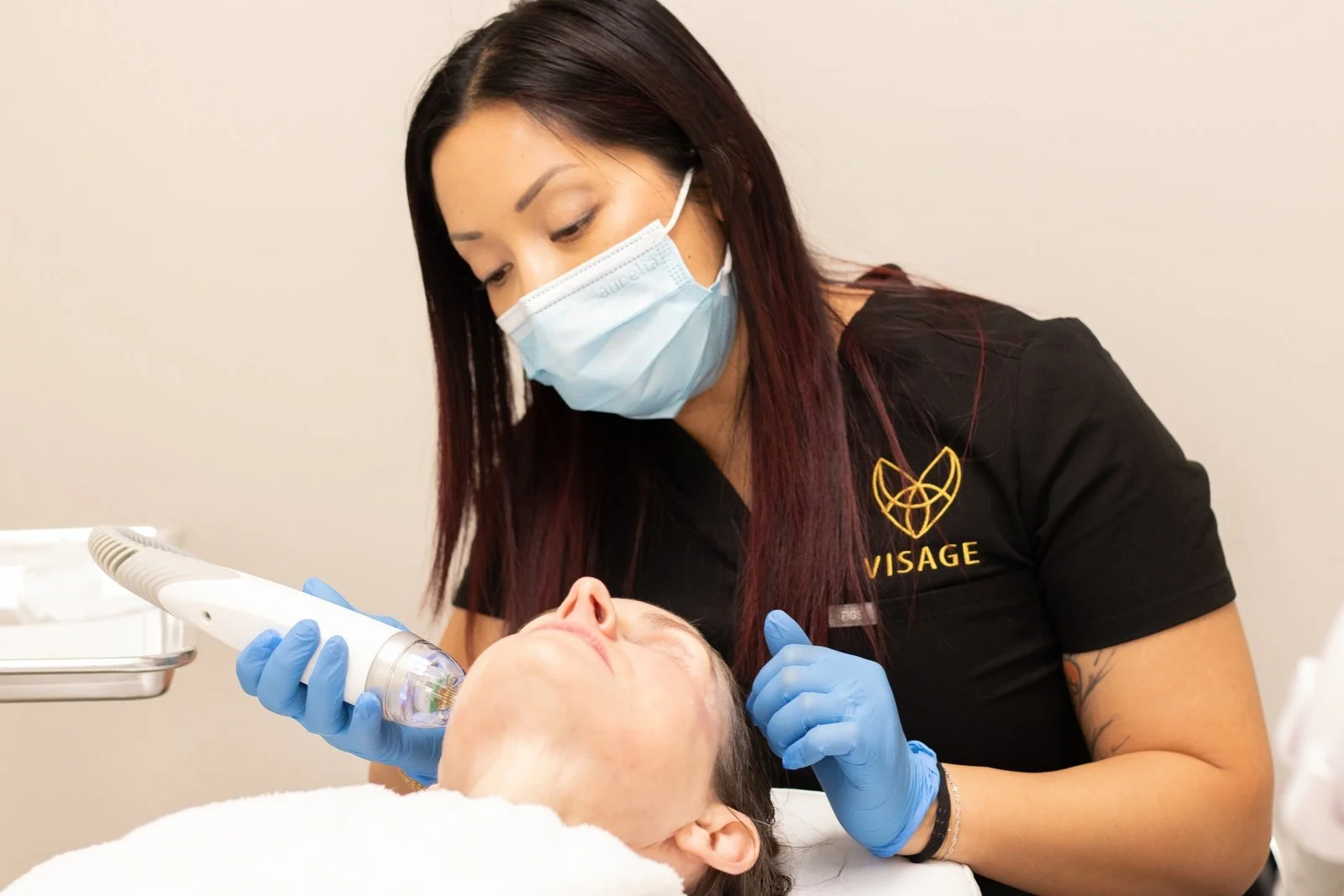
Microneedling rejuvenates skin by creating thousands of tiny, controlled micro-channels that activate the body's natural wound-healing response — which in turn supports collagen and elastin renewal. Because of this, the procedure is also called collagen induction therapy.
If you are researching microneedling for skin rejuvenation in Winnipeg, this guide explains the science clearly and conservatively: the wound-healing cascade, how fibroblasts and collagen are stimulated, typical (general) needle depths, the remodeling timeline, how many sessions a series usually involves, and how to care for your skin afterward. Grace Hill Salon & Spa is a boutique medical spa in Winnipeg with a regenerative, longevity-focused approach to treatments like microneedling.
How does microneedling rejuvenate skin?
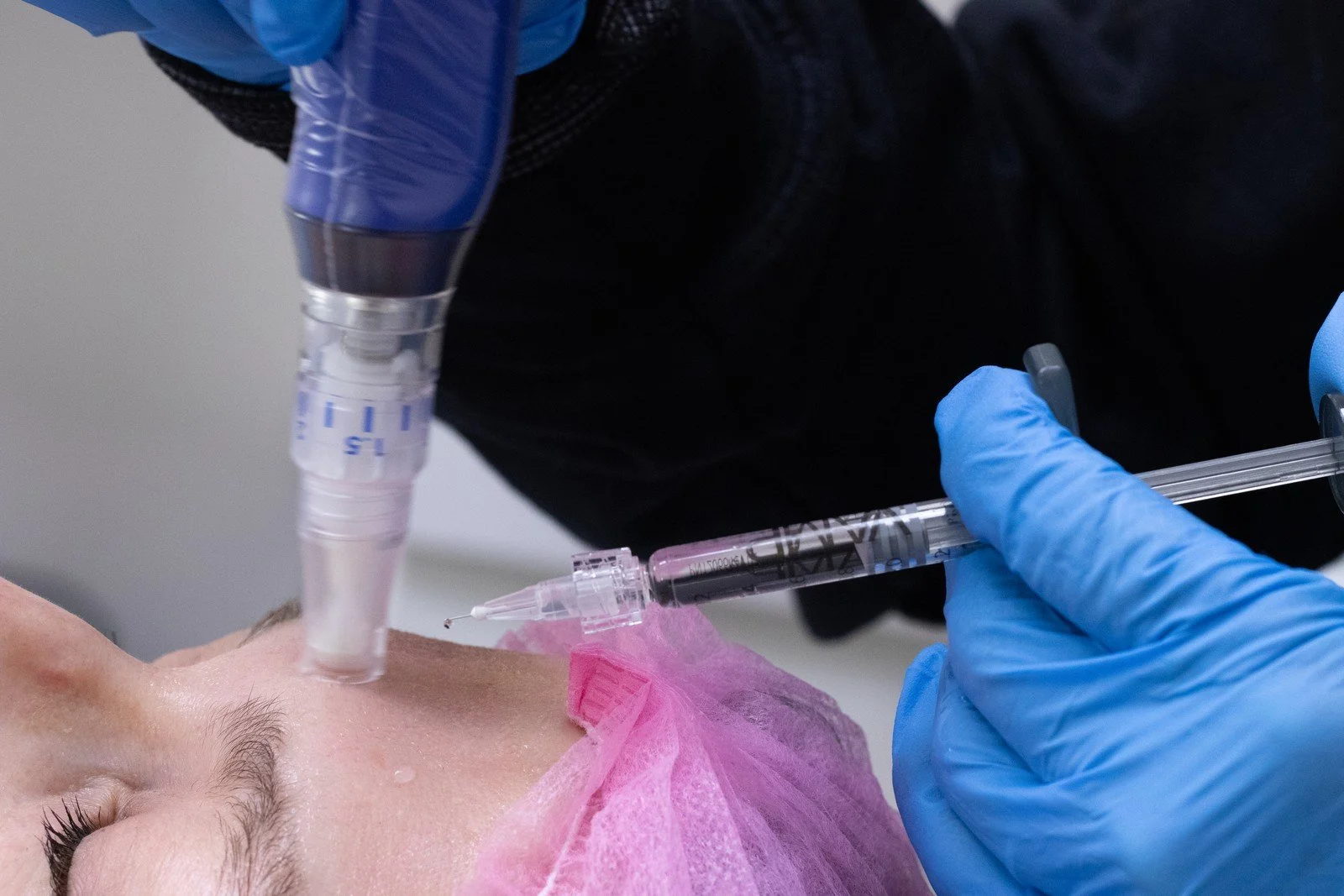
Microneedling uses a sterile device with fine needles to create microscopic channels in the skin. These channels are small and controlled, but they are enough to signal the body that repair is needed and it is that repair process, not the needles themselves, that drives rejuvenation.
In clinical literature, microneedling is also known as percutaneous collagen induction or collagen induction therapy, because the repair response encourages the skin to produce new collagen and elastin over the weeks and months that follow.
The wound-healing cascade, step by step
The skin's repair response unfolds in three overlapping phases. Microneedling is designed to gently initiate this normal cascade.
Inflammation. Immediately after treatment, the micro-channels trigger a brief, controlled inflammatory response. Signaling molecules called growth factors and cytokines are released to begin coordinating repair.
Proliferation. Over the following days, fibroblasts — the cells that produce collagen and elastin — become more active, and new tissue components begin to form.
Remodeling. Across weeks to months, newly produced collagen is gradually reorganized and matured, which is where smoother texture and improved firmness tend to become visible.
This is why microneedling results are not instant: the meaningful changes come from the remodeling phase, which takes time.
Needle depths: a general, conservative overview
Needle depth is set by the device and chosen by a trained provider based on the treatment area, skin, and goals. As a general guide, professional microneedling commonly uses depths in a range from roughly 0.5 mm up to about 2.5 mm, with shallower depths often used on delicate areas and deeper settings reserved for thicker skin or specific concerns.
The right depth is a clinical decision made during assessment, not something to self-select. Deeper is not automatically better; appropriate depth balances stimulating collagen induction with comfort and safe healing.
How many microneedling sessions do you need?
For skin rejuvenation, a series rather than a single session is typical. Many providers recommend three to six sessions, commonly spaced about four to six weeks apart, to allow the skin to heal and remodel between treatments.
After an initial series, periodic maintenance sessions (for example, every few months, individualized to you) can help support results over time. The exact plan depends on your skin, goals, and how you respond, which is why an in-person consultation matters.
How long until you see microneedling results?
Some people notice early improvements in skin texture and tone within a few weeks as new collagen begins to form. However, the fuller benefits of collagen remodeling develop gradually, generally over about three to six months after a treatment or series. Patience is part of the process and consistent aftercare and sun protection help protect your results.
Microneedling aftercare
Aftercare is straightforward but important for comfort and healing:
Expect short-lived redness or a warm, sunburn-like sensation for a day or two.
Keep skin clean and well moisturized; follow your provider's product guidance.
Be diligent with broad-spectrum sunscreen and minimize sun exposure while healing.
Pause active ingredients (such as retinoids or strong acids) until your provider advises resuming.
Avoid heavy sweating, saunas, and makeup for the period your provider recommends.
Your provider will give you instructions tailored to your skin and the depth used.
Is microneedling safe?
When performed by a trained professional using sterile, single-use needle cartridges and appropriate technique, microneedling is generally considered to have a favorable safety profile, with side effects that are usually mild and temporary (redness, swelling, dryness). It is not suitable for everyone — for example, active skin infections, certain skin conditions, or specific health situations may make it inappropriate. A consultation screens for these factors. Microneedling pairs well conceptually with supportive, gradual treatments like peptide-informed facials.
Frequently Asked Questions
How does microneedling rejuvenate skin?
Microneedling creates controlled micro-channels that activate the skin's natural wound-healing response. This cascade stimulates fibroblasts to produce new collagen and elastin, which gradually supports smoother texture, firmer-looking skin, and more even tone. The rejuvenation comes from your skin's own repair process, which is why it is called collagen induction therapy.
How many microneedling sessions do you need?
roughly four to six weeks apart to allow healing and remodeling between treatments. After the initial series, occasional maintenance sessions help support results. Your exact plan depends on your skin and goals, best determined during a consultation.
How long until you see microneedling results?
Early improvements in texture and tone may appear within a few weeks as new collagen forms, but fuller benefits develop gradually over about three to six months as collagen remodels. Results build over a series rather than appearing after one session, and consistent sun protection helps maintain them.
Is microneedling safe?
Performed by a trained professional with sterile, single-use needles, microneedling generally has a favorable safety profile, with mild, temporary side effects such as redness and swelling. It is not suitable for everyone — active infections or certain conditions can make it inappropriate. A consultation screens for these factors before treatment.
How much is microneedling in Winnipeg?
Microneedling in Winnipeg varies widely by clinic and treatment, often falling around $200 to $400 per session, with combination treatments or add-ons priced higher, and series packages sometimes offered. Because pricing depends on the plan and area treated, the best step is to request current pricing during a Winnipeg consultation.
Book a Consultation at Grace Hill in Winnipeg
Wondering whether microneedling suits your skin and goals? Learn more about regenerative skin treatments in Winnipeg and book a consultation with Grace Hill Salon & Spa. We will assess your skin, explain realistic timelines, and recommend a personalized plan.
This article is for general education and is not a substitute for medical advice. Book a consultation for recommendations specific to you.