Regenerative Aesthetics vs Traditional Anti-Aging Treatments – What's the Difference?
Regenerative aesthetics aims to support the skin's own repair and renewal processes, while traditional anti-aging treatments mostly target the visible signs of aging at the surface. In short, one works with your skin's biology over time; the other often smooths, fills, or resurfaces what you see today.
If you're exploring regenerative aesthetics in Winnipeg, understanding this distinction helps you set realistic expectations and choose treatments that fit your goals. At our boutique medical spa in Winnipeg, the focus is on science-forward, healthy-aging skincare and that starts with knowing how regenerative approaches differ from conventional ones. This guide breaks down the goals, mechanisms, and considerations of each so you can have a more informed conversation at your consultation.
What is regenerative aesthetics?
Regenerative aesthetics is a category of skin treatments designed to encourage the skin's natural ability to renew, repair, and rebuild structural components like collagen and elastin. Rather than only masking signs of aging, the goal is to improve underlying skin quality and resilience over time.
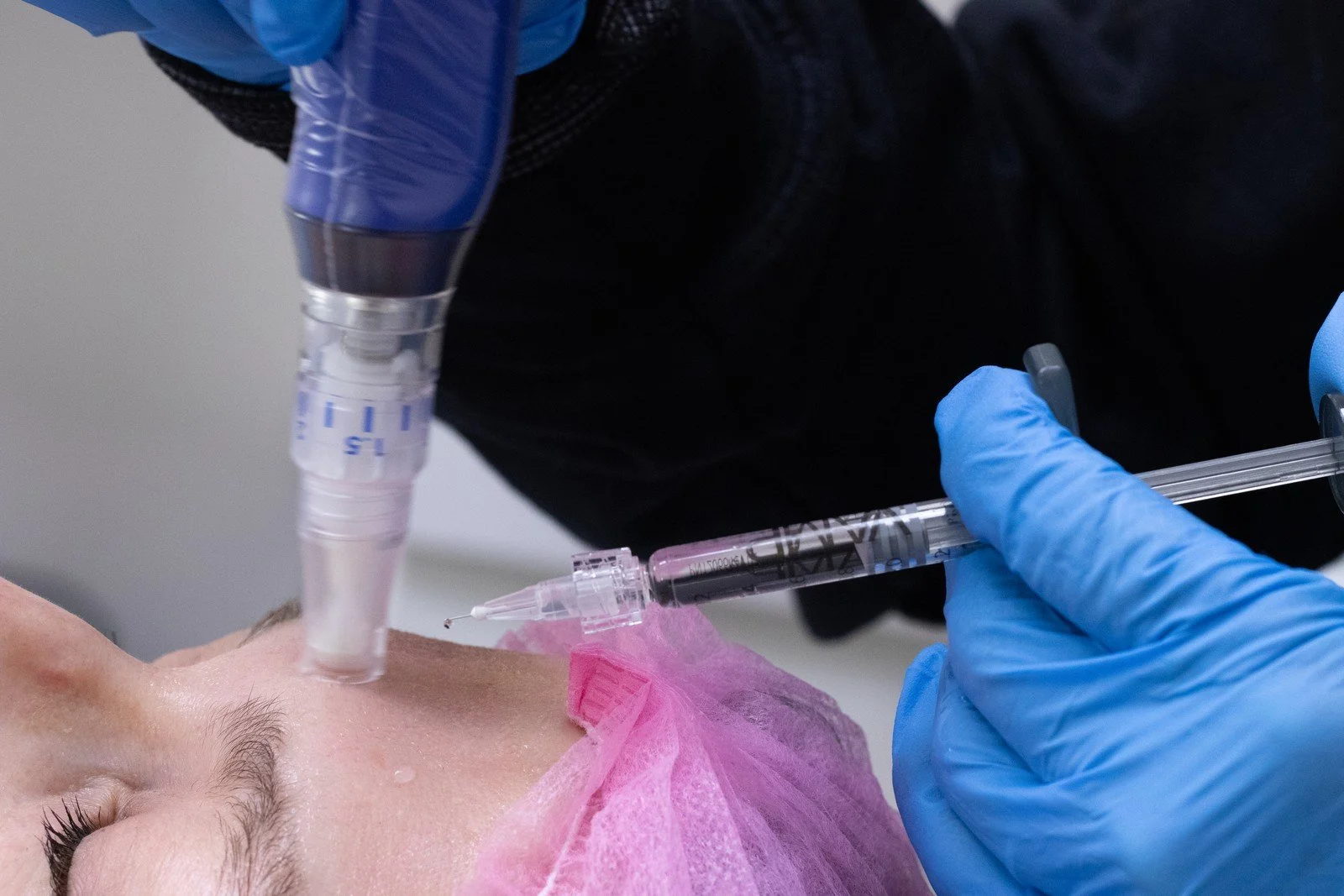
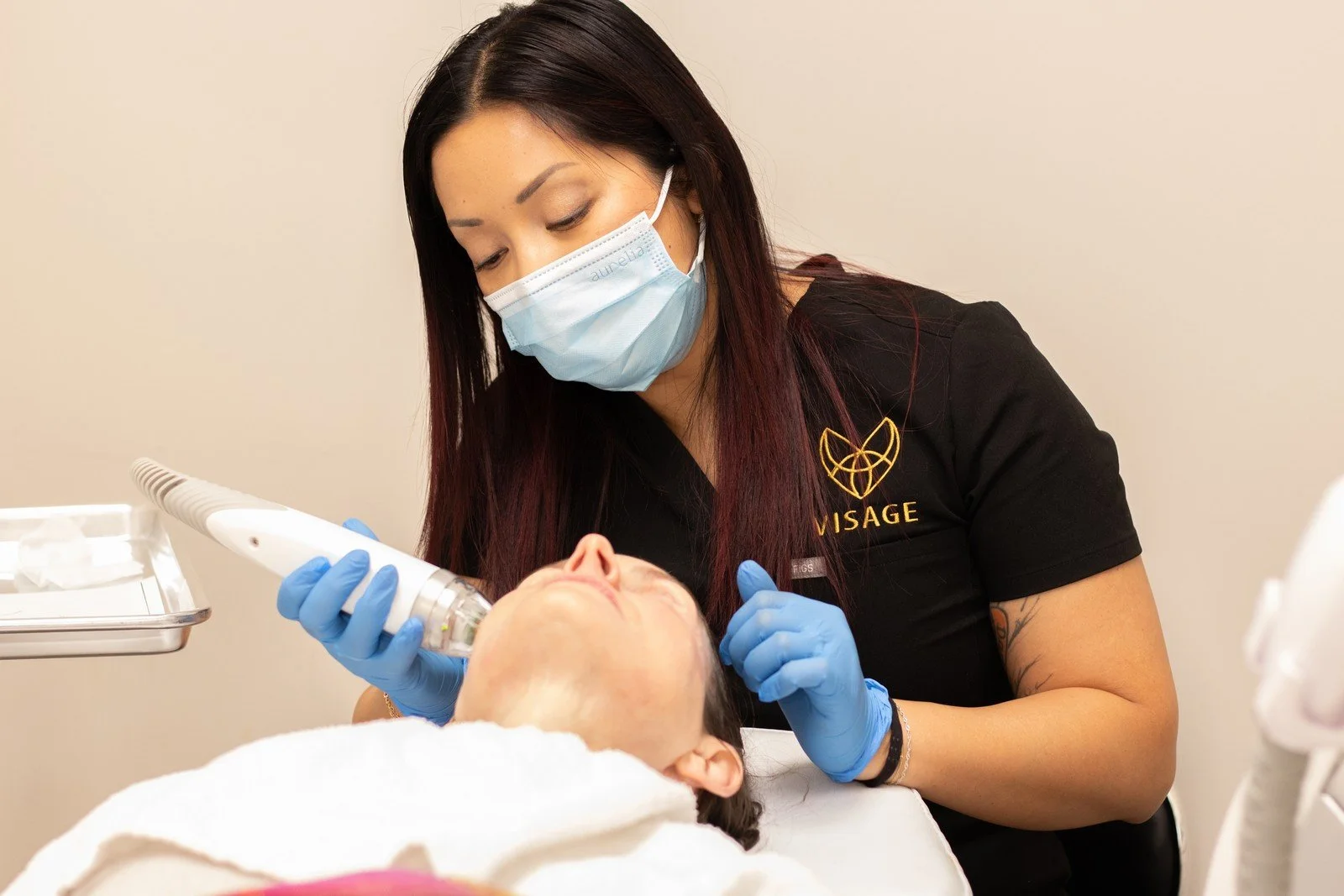
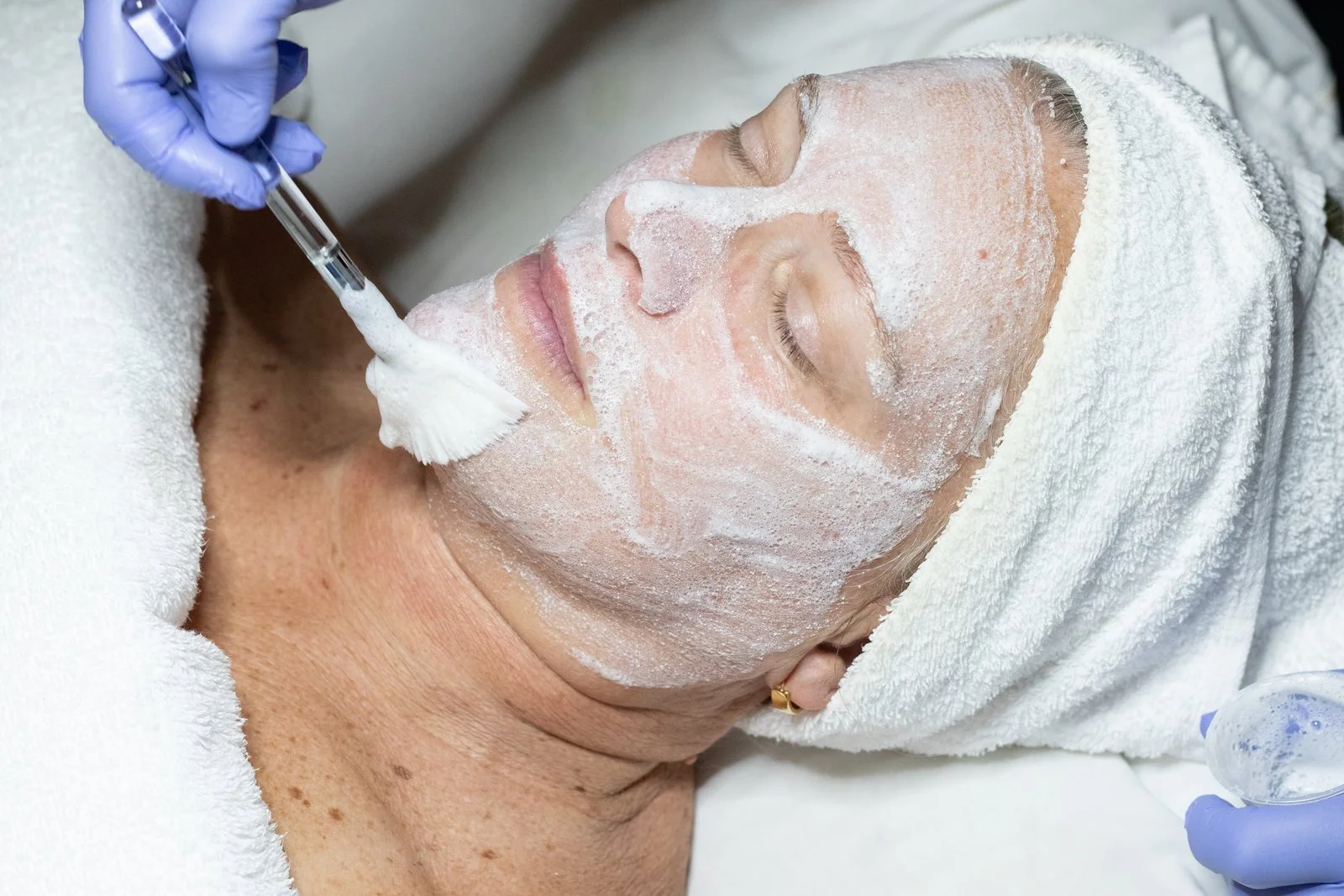
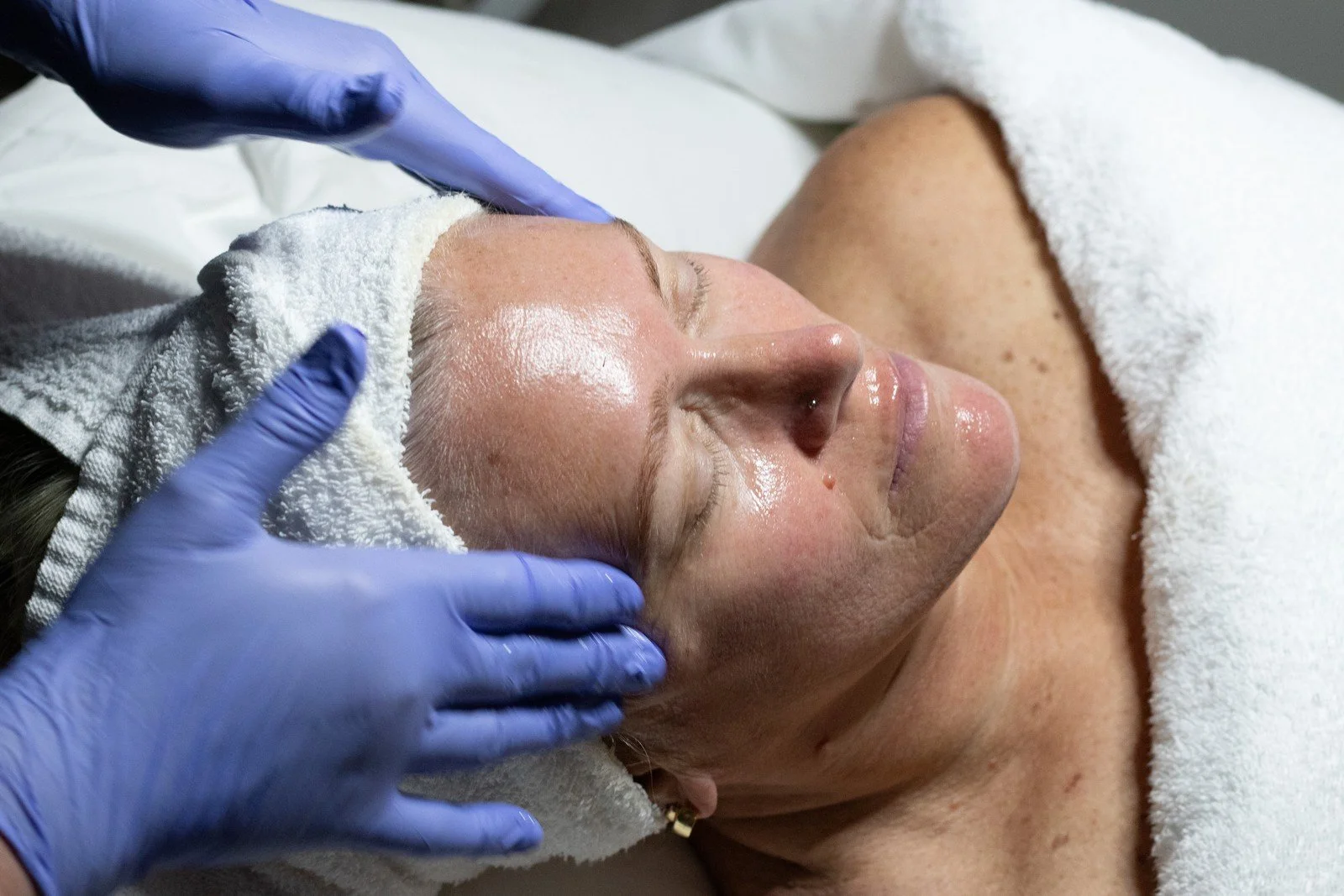
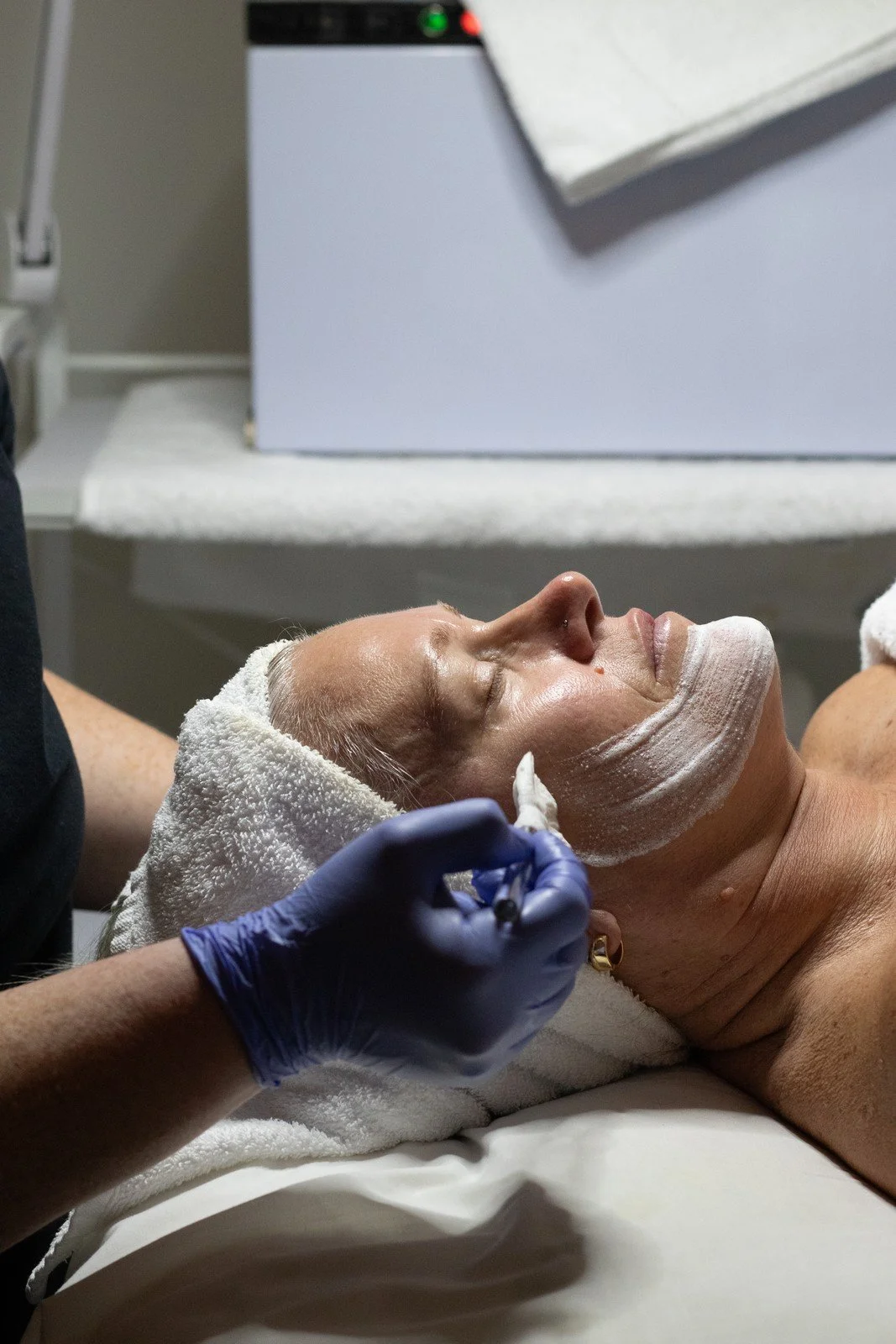
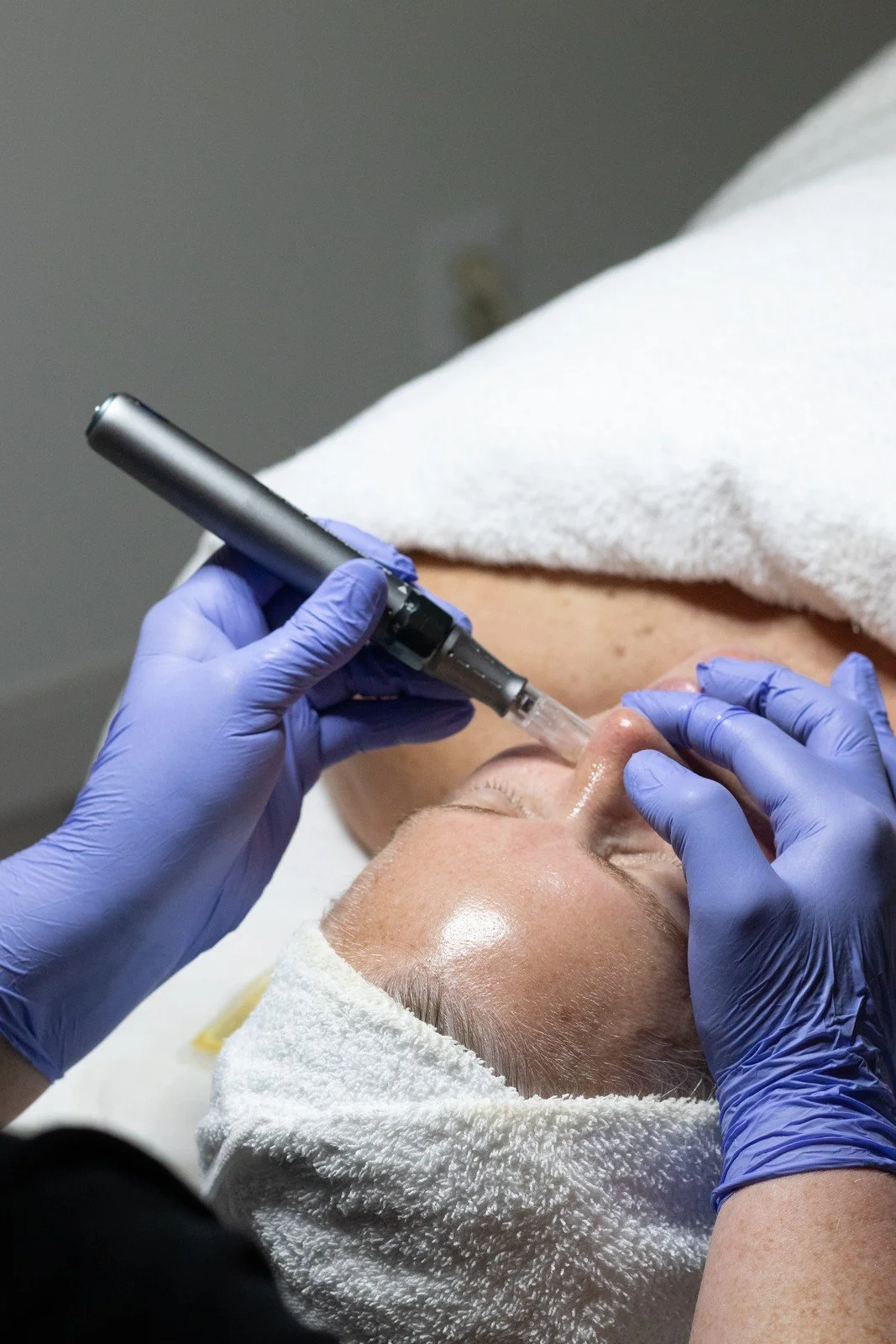
In practice, this often means treatments that work through the skin's own repair pathways. For example, controlled microneedling (collagen induction therapy) that prompts a mild, natural healing response, LED photobiomodulation that may support cellular activity, and topical actives such as peptides intended to signal skin cells. The emphasis is on prevention and long-term skin health rather than a single quick fix.
It's worth being precise here: "regenerative" describes an approach and intention, not a guarantee of new tissue. Results vary between people, and the most credible providers frame these treatments as supportive of skin health rather than as cures or anti-aging miracles.
How is regenerative aesthetics different from traditional anti-aging?
Traditional anti-aging treatments tend to focus on the appearance of aging. Think of treatments and products that smooth fine lines, add volume, resurface the top layers, or temporarily relax muscles. These can be effective and appropriate, they're simply working at a different level and on a different timeline.
Regenerative approaches, by contrast, aim further "upstream." Instead of only correcting what's visible, they try to influence the skin's behaviour: stimulating fibroblasts, supporting the skin barrier, and encouraging the gradual production of structural proteins. The trade-off is timing. Regenerative results typically build over weeks to months and across a series, rather than appearing overnight.
Many people combine both philosophies. You might use a regenerative routine for long-term skin quality while still choosing conventional options for specific concerns. A consultation at a Winnipeg medical spa can help you map a plan that's realistic for your skin.
Comparison: regenerative aesthetics vs traditional anti-aging
This table is educational and generalized. Specific treatments, suitability, and downtime should be confirmed during a professional consultation.
Growth factors, peptides, and exosomes — what's the regulatory reality in Canada?
This is where careful, accurate language matters most.
Peptides are short chains of amino acids used widely in topical skincare. Applied to the skin, certain peptides are intended to "signal" skin cells and are commonly included in serums and professional treatments. They're a well-established part of cosmetic skincare formulations.
Growth factors are signaling proteins involved in the body's natural repair processes. In aesthetics, growth-factor–containing products are most credibly discussed in a topical context. Many growth-factor and biologic products are not Health Canada–approved for injection, and claims around injectable use should be treated with caution.
Exosomes deserve special clarity. As of recent guidance, Health Canada has not approved or authorized any exosome-based product, and exosome products are not approved for injection. (For context, regulators internationally, including the U.S. FDA, have likewise stated that no exosome products are approved for injection.) In 2025, Health Canada opened a consultation on how to classify topical products containing human-derived exosomes (a sign the regulatory framework is still evolving). Bottom line: exosomes in aesthetics are best understood as investigational and/or topical, not as an approved injectable, and any provider discussing them should do so cautiously and accurately.
The takeaway for consumers: regenerative aesthetics is a promising, science-forward direction, but the most trustworthy clinics describe these ingredients honestly — including what is and isn't approved in Canada.
What are biostimulators?
Biostimulators are products designed to encourage your skin's own fibroblasts to gradually produce more collagen, rather than simply adding volume on contact. The best-known injectable biostimulators are poly-L-lactic acid (PLLA) and calcium hydroxylapatite (CaHA).
It's important to be clear: injectable biostimulators are medical procedures administered by qualified physicians or appropriately authorized medical professionals. They are not the same as topical, energy-based, or needling-based aesthetic treatments. At Grace Hill, the regenerative focus is on topical, light-based, and microneedling treatments that support skin health and we always recommend a professional consultation to determine what's appropriate for you, including any referral where a medical procedure is involved.
Where to find regenerative aesthetics in Winnipeg
Grace Hill Salon & Spa is a boutique medical spa in Winnipeg focused on regenerative and longevity skincare. Our approach centres on supporting your skin's long-term health through treatments like microneedling/collagen induction therapy, peptide-informed facials, LED photobiomodulation, and personalized skin-longevity protocols. If you're curious how a regenerative routine compares to what you're doing now, a consultation is the best place to start. You might also explore our related articles on microneedling with peptides and longevity skincare trends.
Frequently Asked Questions
What is regenerative aesthetics?
Regenerative aesthetics is a category of skin treatments that aims to support the skin's own renewal and repair, encouraging collagen production, barrier health, and resilience, rather than only masking visible aging. Examples include microneedling, LED photobiomodulation, and peptide-informed care. Results typically build gradually over a series of treatments.
How is regenerative aesthetics different from anti-aging?
Traditional anti-aging focuses mainly on the surface appearance of aging, smoothing, filling, or resurfacing. Regenerative aesthetics works "upstream," aiming to influence the skin's own biology and structure over time. Many people combine both: regenerative care for long-term skin quality and conventional options for specific concerns.
Are exosome treatments approved in Canada?
No. Health Canada has not approved or authorized any exosome-based product, and exosomes are not approved for injection in Canada. In 2025 Health Canada opened a consultation on classifying topical exosome products, so the framework is still evolving. Treat exosomes as investigational and/or topical, and ask providers for accurate, current information.
What are biostimulators?
Biostimulators are products that encourage the skin's own fibroblasts to gradually build collagen rather than simply adding volume. Common injectable examples are poly-L-lactic acid (PLLA) and calcium hydroxylapatite (CaHA). Injectable biostimulators are medical procedures performed by qualified physicians, distinct from topical or needling-based aesthetic treatments.
Where can I find regenerative aesthetics in Winnipeg?
Grace Hill Salon & Spa is a boutique medical spa in Winnipeg offering regenerative and longevity-focused skincare, including microneedling/collagen induction therapy, peptide-informed facials, and LED photobiomodulation. The best first step is a consultation, where a provider can assess your skin and recommend a personalized, realistic plan.
Book a Consultation at Grace Hill in Winnipeg
Curious whether a regenerative approach is right for your skin? Book a consultation for regenerative facials in Winnipeg at Grace Hill Salon & Spa, and we'll help you build a science-forward, healthy-aging plan tailored to you.
This article is for general education and is not a substitute for medical advice. Book a consultation for recommendations specific to you.